Dating as a Woman in Seoul: What Nobody Warns You About
L'Amore Vince: The Best Dating App For Single Working Professionals In Seoul South Korea
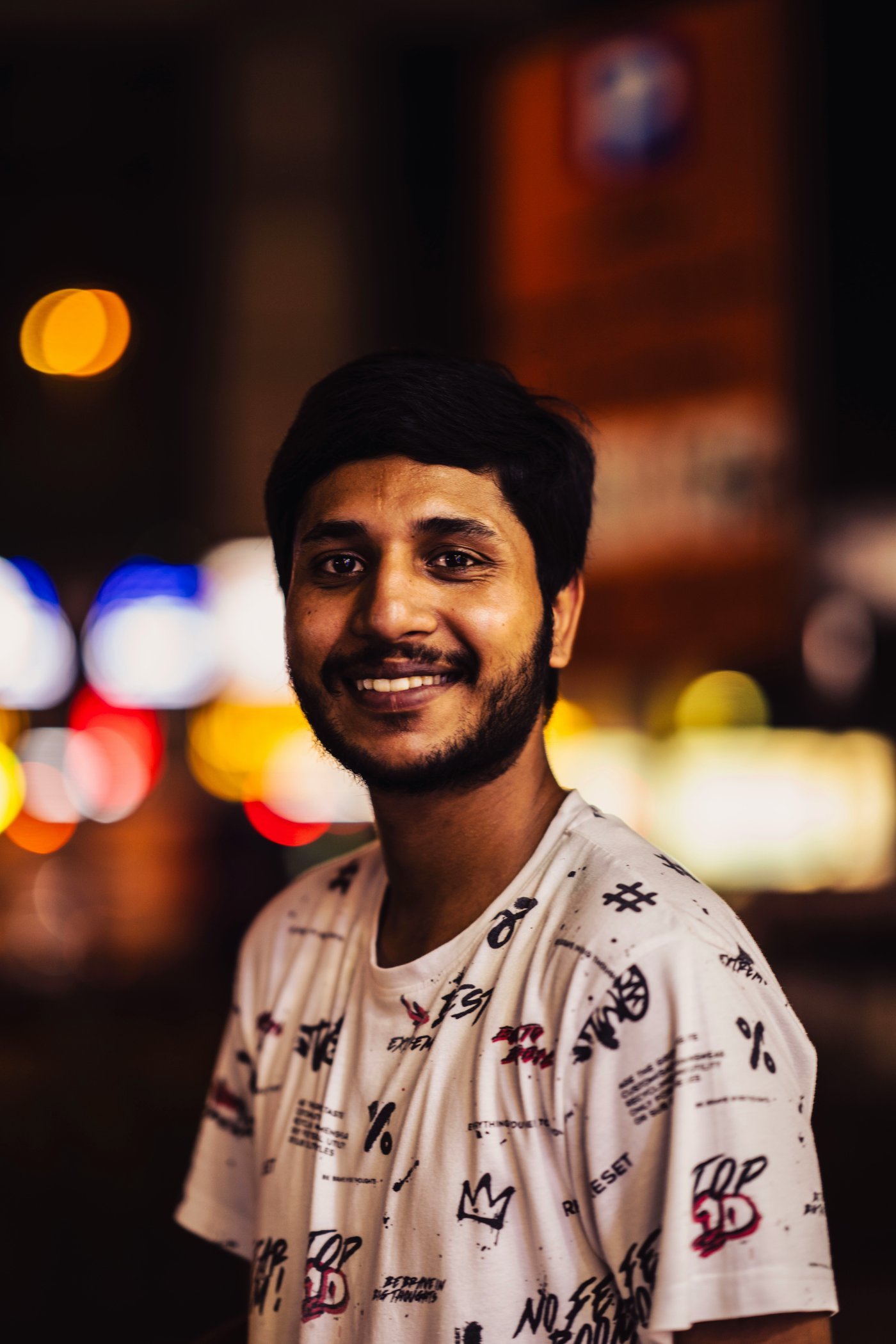
The City That Runs on Appearances
Seoul is one of the most visually intense cities on earth. Walk through Apgujeong on a Saturday afternoon and the aesthetic pressure is physical — it presses against you. Clinics offering rhinoplasty and jaw contouring are listed in building directories beside coffee shops and nail salons. Skin-care is not a hobby here, it is infrastructure. This is not a complaint. Many women in Seoul are genuinely proud of a beauty culture that prizes craftsmanship and self-expression. But it sets a specific stage for dating, and it would be dishonest to write about romance in this city without naming that stage clearly.
When you are a woman trying to meet someone real in Seoul, the first obstacle is not finding people — it is being evaluated before a single word has been exchanged. Appearance is the entry ticket, and the ticket is inspected fast.
How Seoul Women Actually Meet People
The dominant structure for meeting potential partners in Seoul is the sogaeting — a one-on-one blind date arranged by a mutual friend or colleague. Unlike a group meeting, sogaeting carries expectation. You show up, you are assessed, you assess. There is a kind of honor system: the friend who arranged it has vouched for both parties, so rudeness is expensive socially. Women generally report that sogaeting feels safer than cold app matching, precisely because the social accountability is built in.
Then there is the meeting: a group gathering, often in Hongdae or Itaewon, where two friend groups mix with romantic intent. It is lower stakes on arrival but the selection dynamic is still visible — people pair off, and the pairing tends to happen along conventional attractiveness lines within the first thirty minutes. Women who don't fit the narrow aesthetic norm Seoul sometimes enforces — or who simply want to be known before being chosen — often find meeting formats quietly exhausting.
Apps are increasingly common, particularly in Gangnam and Mapo-gu where younger professionals cluster. But Korean app culture inherits the same visual logic: photos load first, judgment comes fast, and personality only gets airtime if the photo already passed.
What Is Specifically True About Romance in Seoul
A few things about dating in Seoul cannot be said about anywhere else, and women navigating the city need to understand them.
Couple culture is hypervisible. In Bukchon Hanok Village on a weekend or along the Cheonggyecheon stream in the evening, couples in matching outfits — couple looks — are not unusual. They are a signal of commitment and belonging. For single women, particularly those past their mid-twenties, this visibility creates a quiet social arithmetic. Being unpartnered in Seoul is not invisible.
Age is a live variable in every interaction. Korean social structures remain significantly age-hierarchical. In romantic contexts this plays out in complex ways — some men use age seniority to establish authority in the relationship; women sometimes navigate this by choosing men who are younger (yeonha) specifically to sidestep that dynamic. The age gap, in either direction, carries meaning that it simply does not carry in most Western cities.
The spycam crisis changed everything. South Korea has had a sustained and documented problem with illegal filming — hidden cameras in public restrooms, changing rooms, and private spaces. The legal and cultural reckoning around this, driven largely by women's activism that reached its peak visibility in 2018-2019, altered how many women in Seoul think about privacy and trust with men they don't yet know well. Handing out a phone number is not trivial. Meeting someone from an app at their suggested location carries weight it might not carry elsewhere.
Career ambition in women is navigated carefully. In neighborhoods like Yeouido, where Korea's finance sector clusters, or in the tech corridors of Pangyo just south of the city, highly educated and professionally ambitious women frequently report editing their achievements downward in early dates. The fear is not unfounded: research on Korean marriage attitudes continues to show that a meaningful segment of men find female professional success threatening rather than attractive. Women here often know before the second coffee whether they can be honest about their work.
The 4B movement is a real social context. A growing number of women in Seoul — particularly in their twenties and thirties — have adopted positions of deliberate distance from heterosexual dating, marriage, or motherhood, as a form of political refusal. Whether or not a woman identifies with 4B, she is dating inside a city where that conversation is active. It shapes the temperature in the room.
The Safety Calculation Women Make Before Every First Meeting
Ask women in Mapo, in Sinchon, in Seongsu-dong — Seoul's creative neighborhood that has become a hub for younger professionals — and the answers rhyme. Before agreeing to meet someone, there is a checklist that runs internally: Is this person who they say they are? Do I have enough information about them to feel safe? Should I give them my actual number? Can I trust that the photo is real and recent?
These questions are not paranoid. They are rational, given the documented landscape. And they consume energy that should be going toward actually getting to know someone.
"I don't give my number until I trust someone. But then I also don't trust someone until I know them. It's a circle I keep going around." — a 29-year-old woman working in Gangnam, describing her experience with app dating in Seoul.
The Exhaustion of the Photo-First Filter
In a city already saturated with aesthetic judgment, opening a dating app to a wall of profile photos can feel like stepping into a continuation of the same pressure rather than an escape from it. The photo-first model sorts people before they speak. It rewards whoever manages their image most effectively, not whoever has the most to offer in a conversation. For women in Seoul who have spent years navigating an environment that already over-indexes on appearance, the invitation to be filtered again — this time by strangers, this time in private — is not always compelling.
The irony is real: some of the most interesting, honest, warm people are the worst at profile photography. And some of the most carefully curated profiles belong to people who have little to say once the chat begins.
What a Different Structure Could Look Like
Women in Seoul are not asking for less dating. They are asking for conditions that make connection feel worth attempting — where they are not pre-sorted by appearance, where they know the person they are talking to is real, and where they retain control over how much of themselves they reveal and when.
L'Amore Vince was designed around exactly that sequence. Conversations begin as text — no photos, no voice, no video — and matched users only move forward, from text to voice to video, round by round, when both sides choose to. Compatibility is calculated from personality questions, not from images. Every person on the platform completes a daily liveness check-in, a face-verification that builds a visible verified streak, so the fundamental question — is this a real person? — is answered structurally rather than left to hope. Contact exchange, when it happens, can use a masked forwarding number so a real phone number never has to leave your hand until you decide it should.
None of that solves the broader cultural pressures that women in Seoul carry into dating. It does not fix the social arithmetic around age or dissolve the ambient weight of couple culture in Bukchon on a Sunday. But it changes the structure of the first encounter — orienting it toward what someone says and how they think, and ensuring that the decision to reveal more always rests with the person making it.
For women who are tired of being filtered before they speak, that structure is not a small thing. It is the entire difference between a process that feels like an audition and one that feels like a conversation.
相關文章
Dating in El Paso as a Woman: The City That Walks You Home
By late Sunday afternoon in El Paso the grill smoke stands over whole neighborhoods at once, the Lower Valley, the Northeast, the westside cul-de-sacs, and inside that smoke, at folding tables in backyards, sits the institution that actually governs a woman’s romantic life here: her grandmother.…
Dating in Portland, Maine as a Woman: Small Harbor, Long Memory
On a Saturday night in July, Wharf Street is wall to wall with bachelorette parties, sashes and matching shirts and men down from elsewhere shouting compliments that nobody requested, and a Portland woman threading through it is usually on her way somewhere else. Come back to the same cobblestones…
Dating in Provo as a Woman: The Ward Calendar and the Dirty Soda
At nine on a weeknight the drive-through line at a Provo soda shop runs ten cars deep, and a fair share of those cars are dates. The dirty soda, a fountain drink dressed with cream and syrup and lime, is Utah County’s answer to the cocktail, invented for a population that does not drink alcohol or…
Comments
加入評論搶先發表評論。