The K-1 Fiancé Visa in 2026: Real Costs, Timelines, and Proof
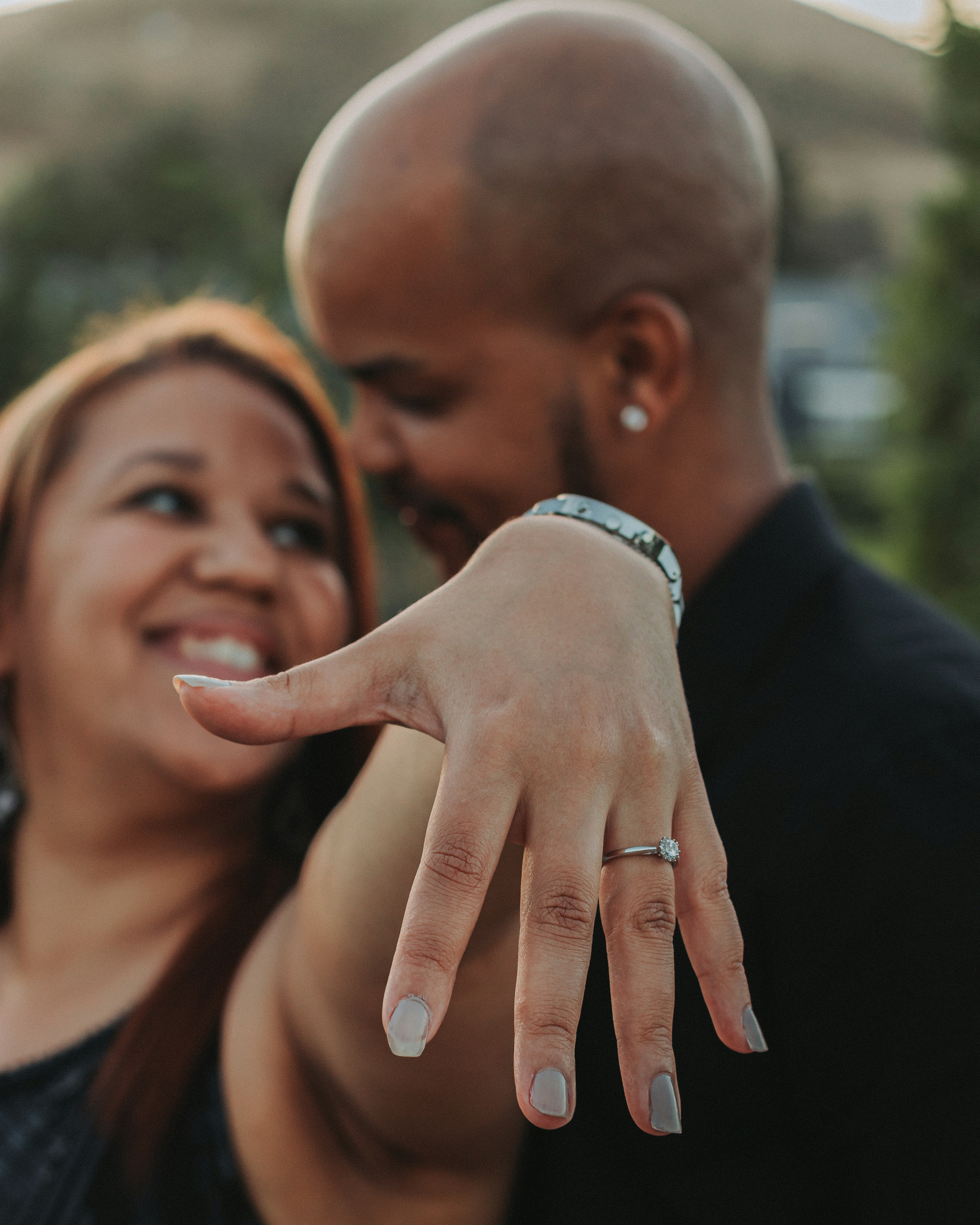
Form I-129F, the petition that starts every K-1 fiancé visa case, currently carries a filing fee of 675 dollars, paid to U.S. Citizenship and Immigration Services (USCIS, the federal agency that adjudicates immigration benefits) the moment a citizen files it on behalf of a foreign fiancé. That single number is only the entry fee. By the time a couple gets from that first form to a wedding and a green card, the total cost, in money and in waiting, is much larger than most people expect when they start searching for how this actually works.
The K-1 visa exists for one narrow purpose: to let a U.S. citizen bring a foreign fiancé into the country to marry within 90 days of arrival. It is not for married couples, who use a different visa category, and it is not open to green card holders petitioning for a partner. The petitioner must be a U.S. citizen, the couple must generally have met in person at least once in the two years before filing, and both parties must be free to marry, meaning any prior marriages have to be legally terminated. USCIS grants a narrow waiver of the in-person meeting requirement in cases involving extreme hardship or certain cultural or religious restrictions on unmarried contact, but it is the exception, not a workaround most couples can rely on.
The petition packet has to include evidence that the meeting happened and evidence that the relationship is ongoing. Boarding passes, passport entry stamps, dated photographs from the trip, and hotel or Airbnb receipts all count toward proving the in-person meeting. For the ongoing relationship, officers look at call logs, message histories, video chat records, and any correspondence that shows a consistent, dated back-and-forth rather than a handful of messages exchanged right before filing. A relationship that shows six months of near-daily contact reads very differently to an adjudicator than one with three long gaps and a sudden burst of activity two weeks before the petition went in. This is the part of the process where couples who met and dated primarily online, rather than through a shared hometown or workplace, need to be the most deliberate about keeping records as they go, not reconstructing them after the fact.
Beyond the 675 dollar I-129F fee, the foreign fiancé will pay a DS-160 nonimmigrant visa application fee, currently 265 dollars, at the embassy or consulate stage. A medical exam with an embassy-approved physician runs anywhere from 200 to 500 dollars depending on the country and required vaccinations. After the marriage happens in the U.S., the couple typically files to adjust status to permanent residency, which brings another set of fees, including the I-485 application and its associated biometrics, now bundled into a fee that runs well over 1,000 dollars per person under the current USCIS fee schedule. An Affidavit of Support, Form I-864, is required to show the petitioner can financially support the incoming spouse, and while the form itself is free to file, it often requires a co-sponsor if the petitioner's income falls under 125 percent of the federal poverty guideline. Add an immigration attorney, which is optional but common, at 1,500 to 3,500 dollars for a straightforward case, and a realistic total for the full process, from first filing to green card, lands somewhere between 3,000 and 8,000 dollars depending on how much of it the couple handles themselves.
USCIS processing times for the I-129F petition have fluctuated significantly over the past several years, and as of 2026 most service centers are quoting somewhere between 12 and 18 months just to approve the initial petition, before the case even moves to the National Visa Center for onward processing to the embassy. After approval, the case is forwarded, the foreign fiancé completes the DS-160 and medical exam, and an interview is scheduled at the relevant U.S. embassy or consulate, which can add another two to four months depending on local demand. Once issued, the K-1 visa itself is only valid for six months, so couples cannot approve the petition and then wait indefinitely to use it. Add the time up front spent gathering evidence and the time on the back end filing for adjustment of status after the wedding, and a couple should plan for something closer to two years from the day they decide to file to the day a green card actually arrives in the mail.
Once the fiancé enters the U.S. on the K-1 visa, a strict 90-day countdown begins. The couple must marry within that window or the fiancé is expected to leave the country. There is no extension for this clock, and the visa cannot be converted into another status if the wedding does not happen. This is one reason immigration attorneys advise against booking a large wedding for month three; delays in scheduling venues, officiants, or even a simple courthouse appointment have derailed cases through no fault of the couple's actual relationship. After the marriage, the newly married spouse files to adjust status, and during the months that follow, they typically receive a temporary work permit and travel authorization while the green card application is pending.
USCIS officers see a high volume of fraudulent petitions, so genuine couples sometimes get caught in extra scrutiny that has nothing to do with how real their relationship actually is. A Request for Evidence, commonly called an RFE, asks for additional proof and adds months to the timeline. The strongest petitions tend to have a consistent narrative across every document: the same version of how the couple met, appears in the cover letter, the affidavits from friends and family, and the photo captions. Dated, timestamped communication, including video calls logged by whatever platform the couple used, carries more weight than a folder of undated screenshots. Couples who build a long, visible history of daily contact before they ever file the petition are, in practice, building their own evidence file without necessarily meaning to.
None of this is a reason to rush a relationship or to fabricate a paper trail. It is a reason to actually build one, honestly, over time. L'Amore Vince was not designed as an immigration tool, but the structure it puts couples through, moving from text to voice to video across dated rounds, backed by a daily face-verification check-in that confirms both people are who they say they are, naturally produces the kind of consistent, verified, time-stamped history that a real relationship leaves behind and that a fabricated one usually cannot fake.
Gerelateerde berichten
AI-Generated Profile Photos: How to Spot a Deepfake on a Dating App
On thispersondoesnotexist.com, a website built years ago to demonstrate a particular kind of artificial intelligence, every reload of the page produces a brand-new photograph of a human being who has never existed and never will. Two eyes, a nose, a mouth, skin texture, a plausible haircut,…
Pig Butchering Scams: The Money Red Flags to Watch For
In 2023, the FBI's Internet Crime Complaint Center reported $652 million in confirmed losses from romance scams in the United States alone, and investigators say a majority of that money moved through a single, highly organized fraud model known as pig butchering, a term borrowed from the livestock…
What Your Verified Streak Says About You on L'Amore Vince
Trust is the invisible currency of any relationship, digital or otherwise. On most dating apps, you have almost no way to know whether the person you're talking to is who they claim to be — at least not until you've already invested real emotional energy. L'Amore Vince approaches this problem…
Comments
Word lid om te reagerenReageer als eerste.