Dating in Taipei, Taiwan: Night Markets, the Matchmaker God, and the MRT
L'Amore Vince: The Best Dating App For Single Women In Taipei
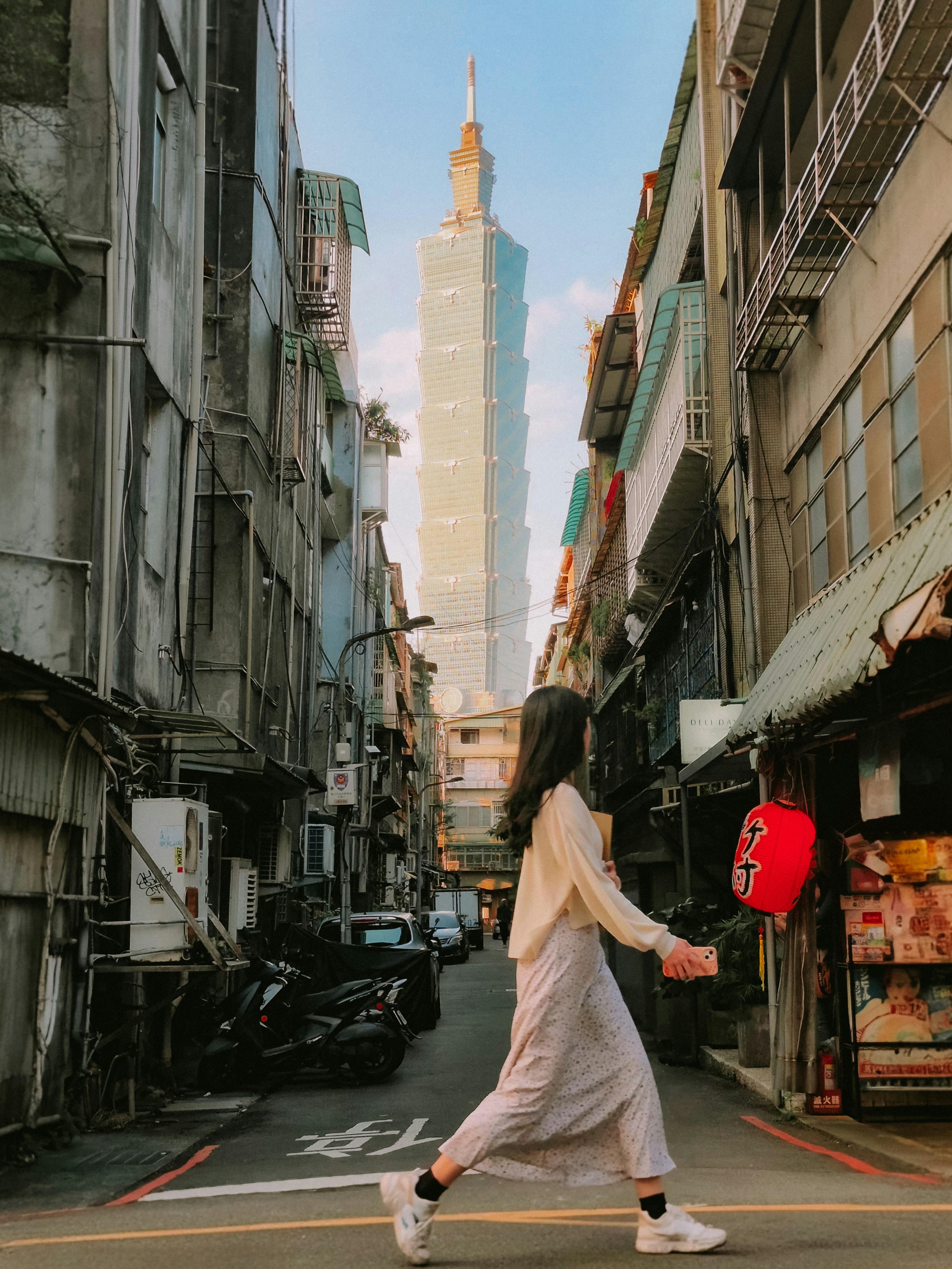
In a small, smoke-dimmed temple on Dihua Street, Taipei’s oldest trading road, sits the city’s busiest matchmaker. The Xia-Hai City God Temple houses a famous statue of Yue Lao, the old man under the moon who in Chinese tradition ties destined couples together with a red thread, and singles queue there year-round with offerings, state their name and their hopes, and carry away red threads to keep until the match arrives. Couples return with wedding cakes to thank him; the temple keeps a running count of unions credited to the old man, and it runs to the tens of thousands. Modern Taipei is one of Asia’s most liberal, wired, convenience-perfected cities, and it maintains a functioning bureau of supernatural matchmaking in its oldest quarter without feeling any tension at all. That combination, the newest habits over the oldest hopes, is the city’s dating culture in miniature.
The night market is the second date
Taipei’s great communal room is the night market, Shilin the giant, Raohe by its glowing temple gate, Ningxia the connoisseur’s choice, and the night market date is a fixed institution with its own logic: walking format, shared everything, low cost, high conversation, and a built-in tour of the city’s edible identity, the oyster omelette, the pepper buns baked against the oven wall at Raohe, the stinky tofu that functions as a mild compatibility screening, the shaved ice at the end. Bubble tea, which Taiwan invented and exported to the planet, is its own courtship sub-language of orders memorised and sweetness percentages remembered. The market’s genius is that it removes the pressure of the face-to-face table; two people walk side by side, the food supplies the agenda, and the city has understood for generations that affection grows better at a slight angle than head-on.
Quiet as a courtesy
Taipei is famously gentle for a metropolis of its size. The MRT runs silent and spotless, queues form without enforcement, voices stay low, and the social temperature is set to considerate. Dating inherits the register: the approach is indirect, often through friends, colleagues or the group dinner engineered by a mutual acquaintance, confession of interest is a recognised formal step rather than an opening move, and the ambiguous pre-couple phase, the period of someone being around, is navigated with patience that western arrivals misread as absence of interest. Interest in Taipei is expressed logistically, the umbrella produced, the scooter helmet offered for the ride home, the queue stood in for an hour for the pastry mentioned once in passing. The scooter matters generally; the ride pillion through the city, arms around the driver, is its own stage of intimacy with no exact western equivalent.
Family, timelines and the seventh month
Beneath the modern surface, the older structure holds shape. Family expectations arrive with the Lunar New Year table, where the unmarried face the annual questionnaire from relatives with professional persistence, and the pressure around marriage timelines, especially past thirty, is a live cultural weather system that Taipei’s young discuss with dark humour and real feeling. The calendar carries romance officially: Qixi, the seventh night of the seventh lunar month, is the festival of the separated celestial lovers, the magpie bridge and the annual reunion, celebrated as Chinese Valentine’s Day with the city’s restaurants full, and the west’s February version is kept as well, plus a local March White Day for reciprocation, so Taipei effectively runs three Valentine’s Days, which its bakeries regard as sound policy. Traditional wedding customs, the betrothal cakes, the tea ceremony to the elders, remain in real use, adapted rather than abandoned.
Mountains inside the city limits
Taipei sits in a bowl of green mountains with trailheads on its bus lines, and the courtship repertoire uses them constantly: Elephant Mountain’s steps at sunset for the skyline photograph with Taipei 101 catching the last light, the sulfur steam of Yangmingshan in spring flower season, the old mining towns of the northeast coast, Jiufen’s lantern-hung teahouse lanes on a misty evening, and the hot spring culture of Beitou inside the city itself, inherited from the Japanese era, where the date is a soak. The weather cooperates by not cooperating; the city’s long drizzle seasons have made the shared umbrella a romantic cliché of genuine utility, and the convenience stores on every corner, open always, serve as the scene’s neutral ground, the place the evening extends itself over one more tea egg because neither person has said goodnight.
Honest signals, softly sent
The visitor’s standard error in Taipei is volume: pushing pace, pressing declarations, mistaking softness for indecision. The city’s signals are quiet and consistent, and they compound. What Taipei asks is attentiveness, the noticing of small stated preferences and their remembering, and what it offers in return is a dating culture with an unusually low ratio of games to sincerity, in a city safe enough to walk at any hour and dense enough that everything is twenty minutes away. The infrastructure of consideration is already built. It only waits for two people to use it.
The red thread, rethreaded
Yue Lao’s red thread encodes the city’s actual belief: that the match exists, that it is identified by attention rather than by spectacle, and that the finding benefits from method. An app that opens with conversation runs the same method in modern form, and that is the design of L’Amore Vince, text before voice, voice before video, the face arriving after the person, which is roughly how the old man under the moon has always claimed to work. Taipei would see no conflict in using both. It is a city that lights incense in the morning and codes in the afternoon, and its tens of thousands of thanked matches suggest the portfolio approach is sound.
İlgili gönderiler

Dating in El Paso as a Woman: The City That Walks You Home
By late Sunday afternoon in El Paso the grill smoke stands over whole neighborhoods at once, the Lower Valley, the Northeast, the westside cul-de-sacs, and inside that smoke, at folding tables in backyards, sits the institution that actually governs a woman’s romantic life here: her grandmother.…
Dating in Portland, Maine as a Woman: Small Harbor, Long Memory
On a Saturday night in July, Wharf Street is wall to wall with bachelorette parties, sashes and matching shirts and men down from elsewhere shouting compliments that nobody requested, and a Portland woman threading through it is usually on her way somewhere else. Come back to the same cobblestones…

Dating in Provo as a Woman: The Ward Calendar and the Dirty Soda
At nine on a weeknight the drive-through line at a Provo soda shop runs ten cars deep, and a fair share of those cars are dates. The dirty soda, a fountain drink dressed with cream and syrup and lime, is Utah County’s answer to the cocktail, invented for a population that does not drink alcohol or…
Comments
Yorum yapmak için katılınİlk yorumu siz yapın.