Dating in Reykjavík, Iceland: Hot Tubs, the Rúntur, and the Family App
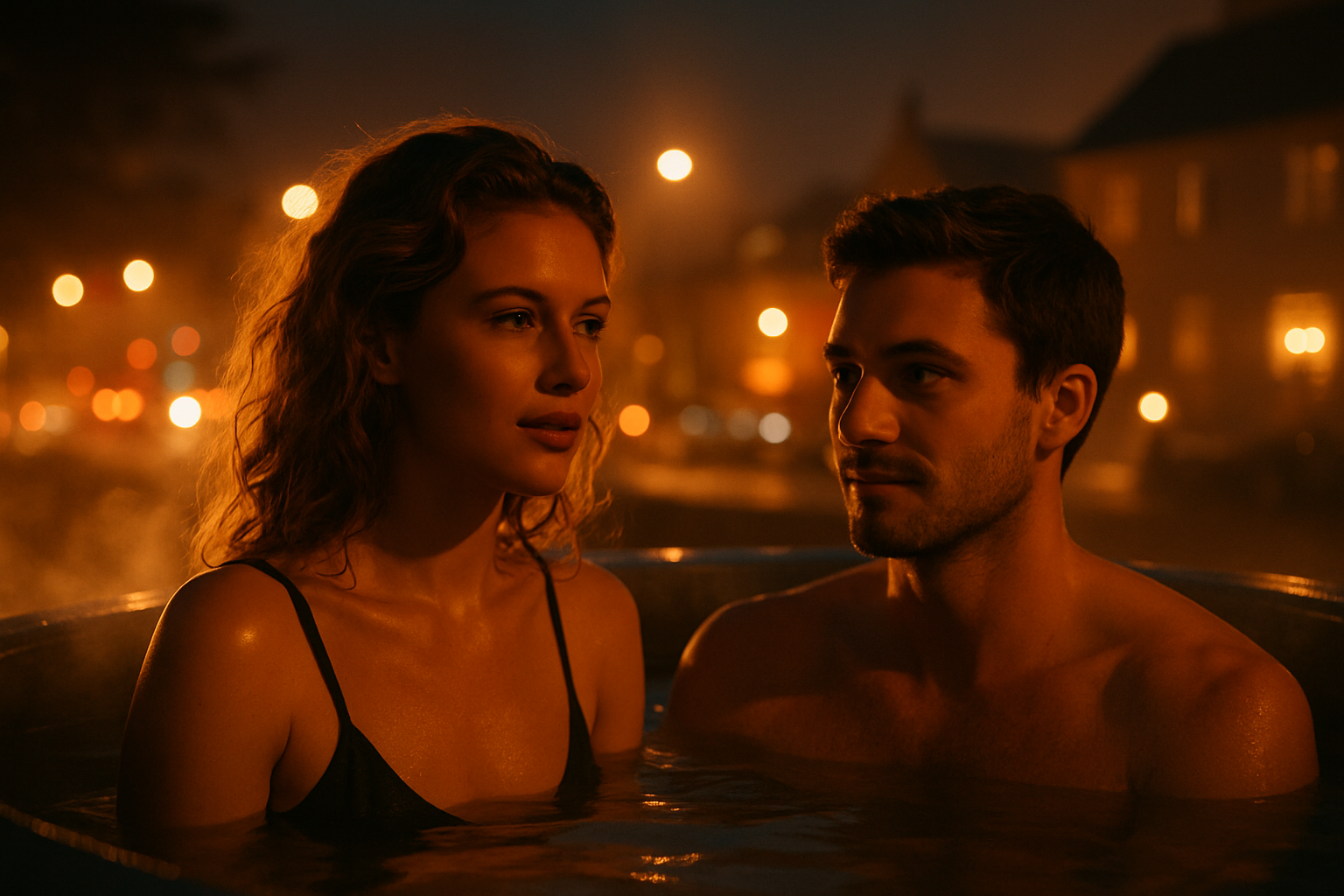
Reykjavík heats its pavements with the same water it dates in. The city sits on geothermal fields that warm its houses, melt its snowy sidewalks and fill the swimming pools that every neighbourhood maintains as a civic right, and it is in the hot tubs beside those pools, the heitir pottar, that Icelandic social life actually convenes. Politicians are questioned there, gossip is ratified there, and a serious share of the capital’s romances have advanced there, in forty-degree water under a cold sky, because the hot tub is the one place Icelanders reliably talk to people they do not know. The pool costs a few hundred krónur and the conversation is included, which suits a country whose weather has never once cooperated with an outdoor café culture.
A capital of a hundred and forty thousand cousins
Iceland’s population is under four hundred thousand, the capital region holds most of it, and the practical consequence is that everyone is plausibly connected to everyone. The national genealogy database, Íslendingabók, documents the ancestry of nearly the entire population back a millennium, and Icelanders genuinely consult it, including, famously, through an app whose best-known feature warned users if the person they were seeing was an uncomfortably close relative. Foreigners treat this as a punchline; locals treat it as infrastructure. The real effect of the small pool is social, not genetic: there are few true strangers, everyone’s history is one phone call away, and a reputation in Reykjavík is a permanent asset or a permanent liability. People behave accordingly, and the city’s dating culture is direct partly because pretence is pointless where everyone can check.
The rúntur, and the reversed courtship
The weekend institution is the rúntur, the late-night circuit of the bars along Laugavegur and its side streets, which begins near midnight and ends in daylight for a good part of the year. Icelandic courtship famously runs its stages in an order that startles visitors: the approach is casual, the night moves quickly, and the slow part, the dinners, the meeting of families, the formal boyfriend-and-girlfriend conversation, happens afterwards, sometimes long afterwards. Icelanders describe this without embarrassment, and the statistics agree with them; a large share of Icelandic children are born to unmarried parents, and couples routinely marry after the children arrive, if at all, with no one’s grandmother scandalised. The society is among the world’s most gender-equal, women initiate as often as men, and the games of pursuit and reluctance that structure dating elsewhere are mostly absent, replaced by a plain question asked plainly.
Weather as a relationship accelerant
The Icelandic winter is long, dark and horizontal, and it compresses courtship the way island economics compress everything: people pair up for the dark months with a seriousness the summer never demands, and the national coziness apparatus, wool sweaters, candles, coffee refills, the kleina with it, is deployed in support. Summer reverses the polarity. The sun barely sets, the country moves outdoors, and the summer-house weekend, the drive around the ring road, the hike, the camping trip become the courtship formats. A Reykjavík relationship is thus tested twice a year in opposite directions, once by confinement and once by exposure, and locals will tell you with some pride that a couple that has survived both a February and a road trip has been properly stress-tested.
Directness, with a national character
Icelanders inherit the Nordic directness and add an island bluntness of their own. Interest is stated, disinterest is stated, and the elaborate ambiguity that fuels the dating cultures of larger countries gets no oxygen at this latitude. The flip side is a deep reserve about feelings themselves; the language of grand romantic declaration sits awkwardly in Icelandic mouths, and affection is more often expressed through inclusion, the invitation to the pool, to the family’s summer house, to the annual þorrablót feast where fermented shark is offered to newcomers partly as hospitality and partly as entertainment. Watching what an Icelander shares with you, rather than what they say to you, is the reliable instrument. The words arrive eventually, usually in the hot tub, usually understated, and meant completely.
Small pool, clear water
The honest challenge of Reykjavík is arithmetic, the same as every small capital: the pool of unmet people runs thin, the exes are all present, and the city’s legendary weekend velocity coexists with a quiet difficulty in finding someone genuinely new. What the culture has going for it is transparency. Nobody can pretend for long in a town this documented, and the national instinct is to prefer it that way, verified, checkable, plainly stated. An app that runs on that same instinct, where conversation comes first and the face is earned through words, matches the local physics, and that is the design of L’Amore Vince: text, then voice, then video, the person before the picture. Reykjavík has been vetting its matches against a thousand-year database for years. It was never going to be impressed by a photograph.
İlgili gönderiler

Dating in El Paso as a Woman: The City That Walks You Home
By late Sunday afternoon in El Paso the grill smoke stands over whole neighborhoods at once, the Lower Valley, the Northeast, the westside cul-de-sacs, and inside that smoke, at folding tables in backyards, sits the institution that actually governs a woman’s romantic life here: her grandmother.…

Dating in Portland, Maine as a Woman: Small Harbor, Long Memory
On a Saturday night in July, Wharf Street is wall to wall with bachelorette parties, sashes and matching shirts and men down from elsewhere shouting compliments that nobody requested, and a Portland woman threading through it is usually on her way somewhere else. Come back to the same cobblestones…

Dating in Provo as a Woman: The Ward Calendar and the Dirty Soda
At nine on a weeknight the drive-through line at a Provo soda shop runs ten cars deep, and a fair share of those cars are dates. The dirty soda, a fountain drink dressed with cream and syrup and lime, is Utah County’s answer to the cocktail, invented for a population that does not drink alcohol or…
Comments
Yorum yapmak için katılınİlk yorumu siz yapın.